- Teacher: Scott Weiss
Category: Classics

This course will explore a range of literary and other cultural products in which the physical environment is figured as a means of self-expression, aesthetic response, and critical commentary. Key points of discussion include the symbolic structure and form of landscape in literature, (e.g., the green world of pastoral and wilderness); the connection between space, race and place; what we mean by the “environmental imagination”; the relationship between humans, non-humans and objects; and what we talk about when we talk about the Anthropocene.


Many of us are attracted to science because of the wonder of discovery and the (supposed) purity of the pursuit of knowledge. In this course we will wrestle with some of challenging questions that arise in the practice of science.
Ethics is centrally concerned with questions regarding relations with oneself and with others and, more generally, our ways of life together. In this course we will examine competing accounts of the self’s relation to itself and to others from the history of philosophy. What sorts of relations to self and others do these accounts call for? We will concern ourselves especially with the various roles played by justice, pleasure, utility, and the good in these philosophical accounts. We will devote ourselves to close readings of texts by Aristotle, Immanuel Kant, John Stuart Mill, Philippa Foot, Charles Mills, Cora Diamond, Elizabeth Anscombe, Ralph Waldo Emerson, and others.

Ethics is centrally concerned with questions regarding relations with oneself and with others and, more generally, our ways of life together. In this course we will examine competing accounts of the self’s relation to itself and to others from the history of philosophy. What sorts of relations to self and others do these accounts call for? We will concern ourselves especially with the various roles played by justice, pleasure, utility, and the good in these philosophical accounts. We will devote ourselves to close readings of texts by Aristotle, Immanuel Kant, John Stuart Mill, Philippa Foot, Charles Mills, Cora Diamond, Elizabeth Anscombe, Ralph Waldo Emerson, and others.

In this course, we examine some of the ethical challenges presented by business and describe a particular form of business practice, central to our thinking about ethics and business, one that we can generally identify as accounting. In doing so, we will first look at several theorists concerned to describe the structure of business, including the relations between labor and capital. What relations do we have to capital? What relations do we have to each other through exchange? Why do these relations call for accounting? Next, we will turn our attention to a number of texts from the history of ethics in order to trace different ways of thinking about relations of the self to self and others. In addition, we will examine the ways in which these ethical views differ as ways of accounting for one’s self and one’s productive activities. Finally, we will turn to a number of case studies from the history of business in order to explore the importance of various forms of accounting. Why are such accountings necessary? To whom are we accountable and why?

In this course, we examine some of the ethical challenges presented by business and describe a particular form of business practice, central to our thinking about ethics and business, one that we can generally identify as accounting. In doing so, we will first look at several theorists concerned to describe the structure of business, including the relations between labor and capital. What relations do we have to capital? What relations do we have to each other through exchange? Why do these relations call for accounting? Next, we will turn our attention to a number of texts from the history of ethics in order to trace different ways of thinking about relations of the self to self and others. In addition, we will examine the ways in which these ethical views differ as ways of accounting for one’s self and one’s productive activities. Finally, we will turn to a number of case studies from the history of business in order to explore the importance of various forms of accounting. Why are such accountings necessary? To whom are we accountable and why?

Ethics is centrally concerned with questions regarding relations with oneself and with others and, more generally, our ways of life together. In this course we will examine competing accounts of the self’s relation to itself and to others from the history of philosophy. What sorts of relations to self and others do these accounts call for? We will concern ourselves especially with the various roles played by justice, pleasure, utility, and the good in these philosophical accounts. We will devote ourselves to close readings of texts by Aristotle, Immanuel Kant, John Stuart Mill, Philippa Foot, Charles Mills, Cora Diamond, Elizabeth Anscombe, Ralph Waldo Emerson, and others.
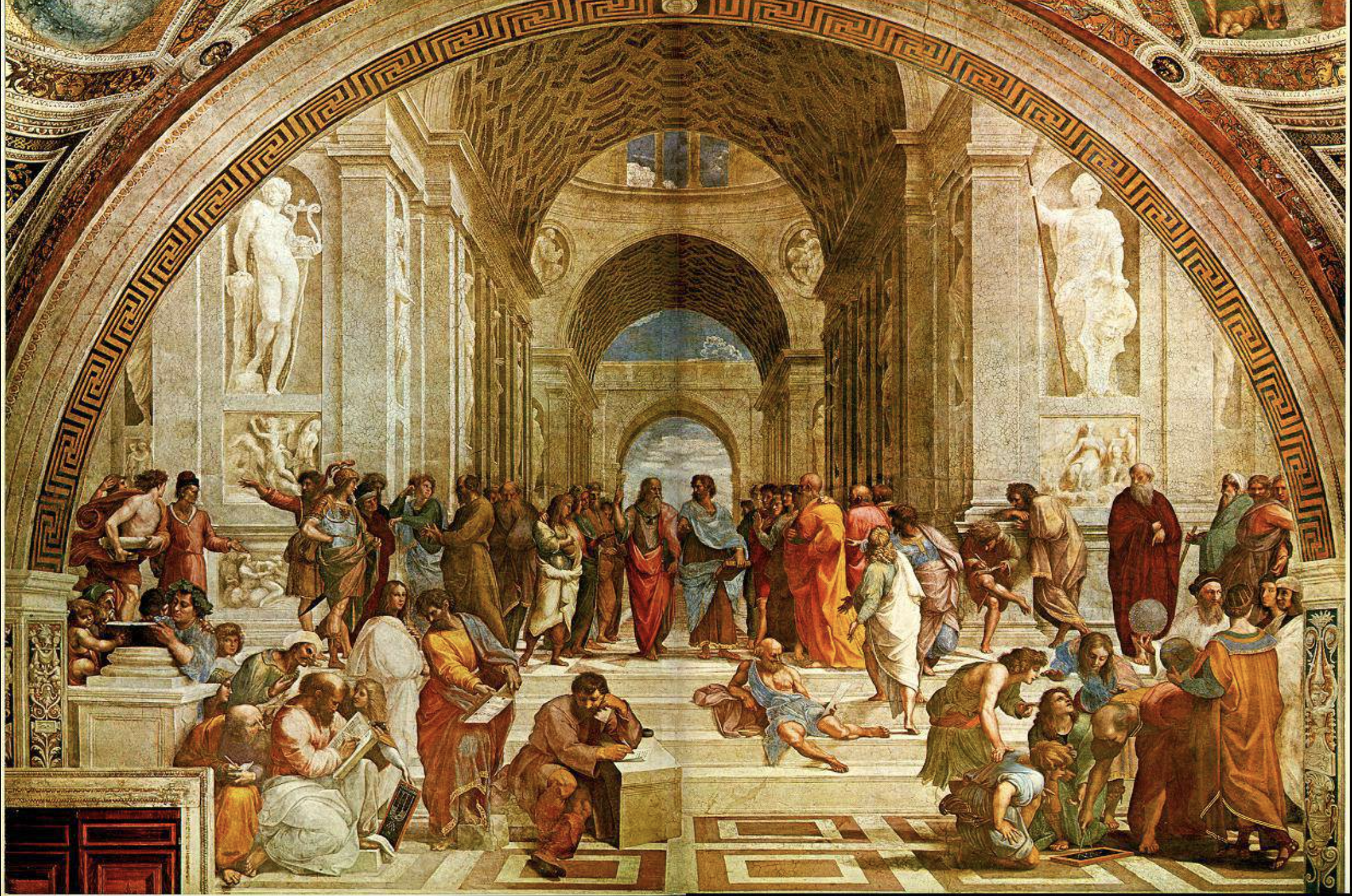
Ethics is centrally concerned with questions regarding relations with oneself and with others and, more generally, our ways of life together. In this course we will examine competing accounts of the self’s relation to itself and to others from the history of philosophy. What sorts of relations to self and others do these accounts call for? We will concern ourselves especially with the various roles played by justice, pleasure, utility, and the good in these philosophical accounts. We will devote ourselves to close readings of texts by Aristotle, Immanuel Kant, John Stuart Mill, Philippa Foot, Charles Mills, Cora Diamond, Elizabeth Anscombe, Ralph Waldo Emerson, and others.