- Teacher: Cyn Kitchen
Category: English

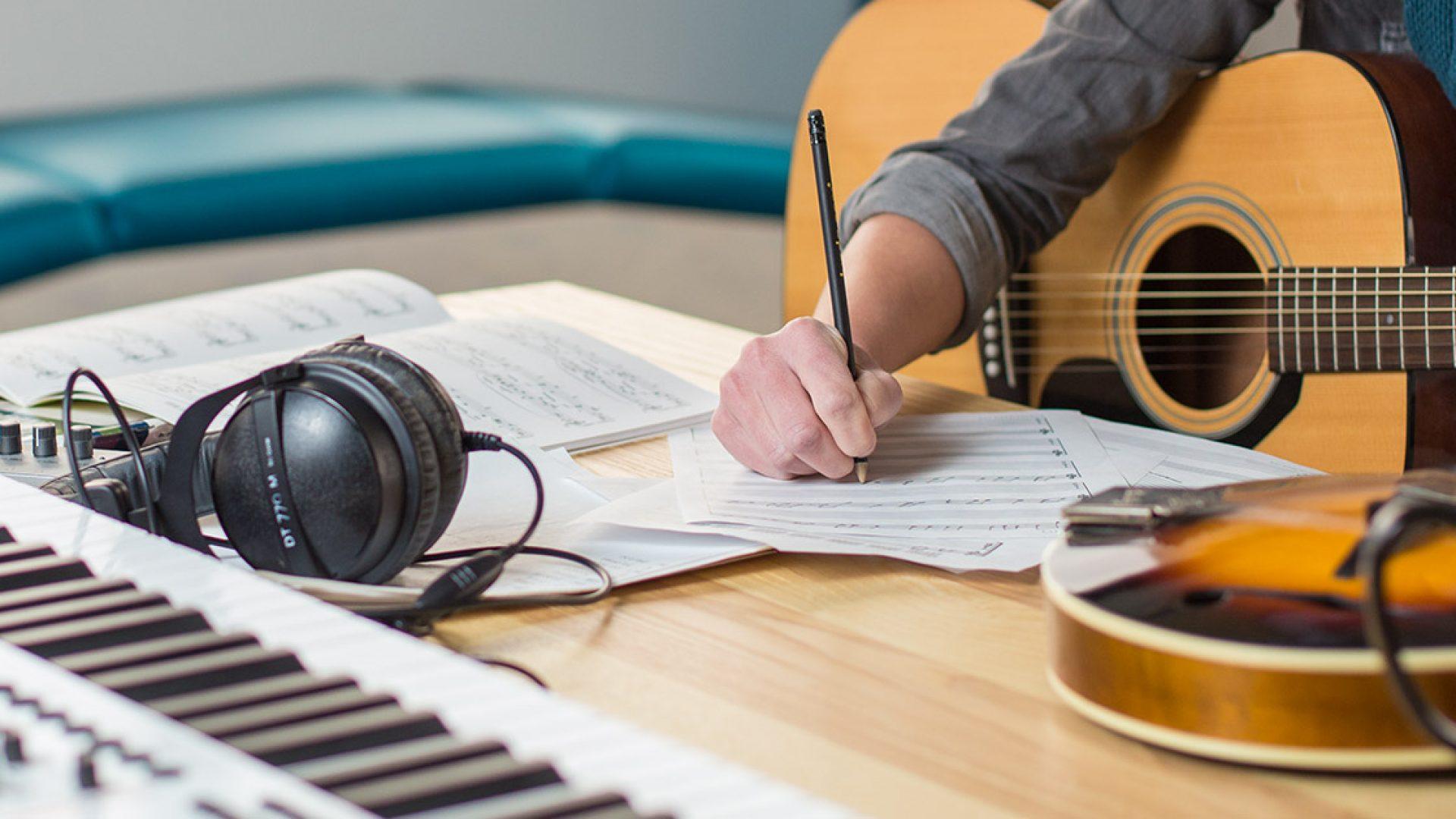
Songwriting Workshop is a hands-on class in which we will develop tools to both analyze popular songs and create our own. Throughout the course of the class, we will learn about writing melodies, lyrics, chord progressions, and arrangements - all of this culminating in the writing of an original song and the production of a demo recording.

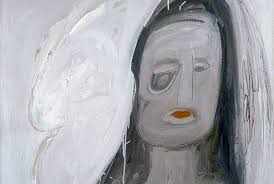
ENG 204F-1, Spectrality: Art, Culture and Environment
Course Description:
In this course we’ll explore the power and presence of the ghost in a variety of cultural forms. While the ghost has long been a useful concept or character in ancient storytelling genres such as myth, folklore, and the epic tale, we’ll begin with the classic ghost story made popular in the 19th and early 20th century in English and American literature, focusing on Fin de Siècle tales by M.R. James, Henry James and Edith Wharton and the spectral tension between established gothic tropes and the advent of modernity. Post WWII ghosts and haunted houses as represented in the mid 20th century ghost stories of Elizabeth Bowen and Shirley Jackson, and depicted in the 2001 film The Others, will expand our view of spectral unrest, framing the spectral encounter as inextricably linked with traumatic memory. Relatedly, we’ll look at “whiteness” as a specter haunting Helen Oyeyemi’s 21st century multicultural Britain in her novel White is for Witching, and at the “ghost generation” of migrant spirts haunting Mati Diop’s Afro-surrealist film Atlantics. Finally, we’ll familiarize ourselves with Spectrality as a critical theory, a lens through which we might view the uncanny world in which we are living. To that end, and in consideration of Mark Fisher’s post Freudian definition of the uncanny (The Weird and the Eerie), we’ll explore the neo Lovecraftian fiction of China Mieville and the future-as-specter in Daphne Du Maurier’s “Don’t Look Now.” Ending the term on a light note, we’ll examine ghostly landscapes altered by nuclear holocaust and anthropogenic climate change. This course will follow a discussion rather than a lecture format.