- Teacher: Joan Huguet
Category: Music
In this introductory course, we will explore the range of literary expressiveness including fairy tale, poetry, the conventional novel, the visual or graphic novel and the short story, as well as the classification of literature into specific genres; overall, of course, our main interest will be in exploring the source material for making textual and visual literary art with a focus on narrative “DNA”, i.e., the primary materials and impulses that generate story telling. Additionally, we’ll look at the arrangement of elements such as plot, narration, character, setting, language, voice, tone, theme, etc., comprising literary forms. Finally, we’ll consider a variety critical strategies for reading and thinking about the literary arts, as well as the power and significance of our own interpretive role.
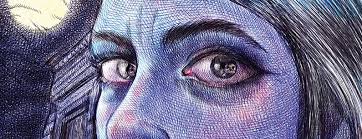
In this introductory course, we will explore the range of literary expressiveness including fairy tale, poetry, the conventional novel, the visual or graphic novel and the short story, as well as the classification of literature into specific genres; overall, of course, our main interest will be in exploring the source material for making textual and visual literary art with a focus on narrative “DNA”, i.e., the primary materials and impulses that generate story telling. Additionally, we’ll look at the arrangement of elements such as plot, narration, character, setting, language, voice, tone, theme, etc., comprising literary forms. Finally, we’ll consider a variety of critical strategies for reading and thinking about the literary arts, as well as the power and significance of our own interpretive role.
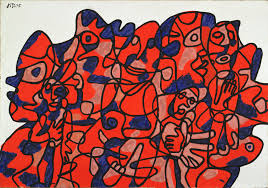
In this introductory course, we will explore the range of literary expressiveness including fairy tale, poetry, the conventional novel, the visual or graphic novel and the short story, as well as the classification of literature into specific genres; overall, of course, our main interest will be in exploring the source material for making textual and visual literary art with a focus on narrative “DNA”, i.e., the primary materials and impulses that generate story telling. Additionally, we’ll look at the arrangement of elements such as plot, narration, character, setting, language, voice, tone, theme, etc., comprising literary forms. Finally, we’ll consider a variety of critical strategies for reading and thinking about the literary arts, as well as the power and significance of our own interpretive role.
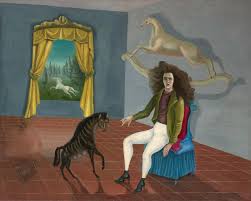
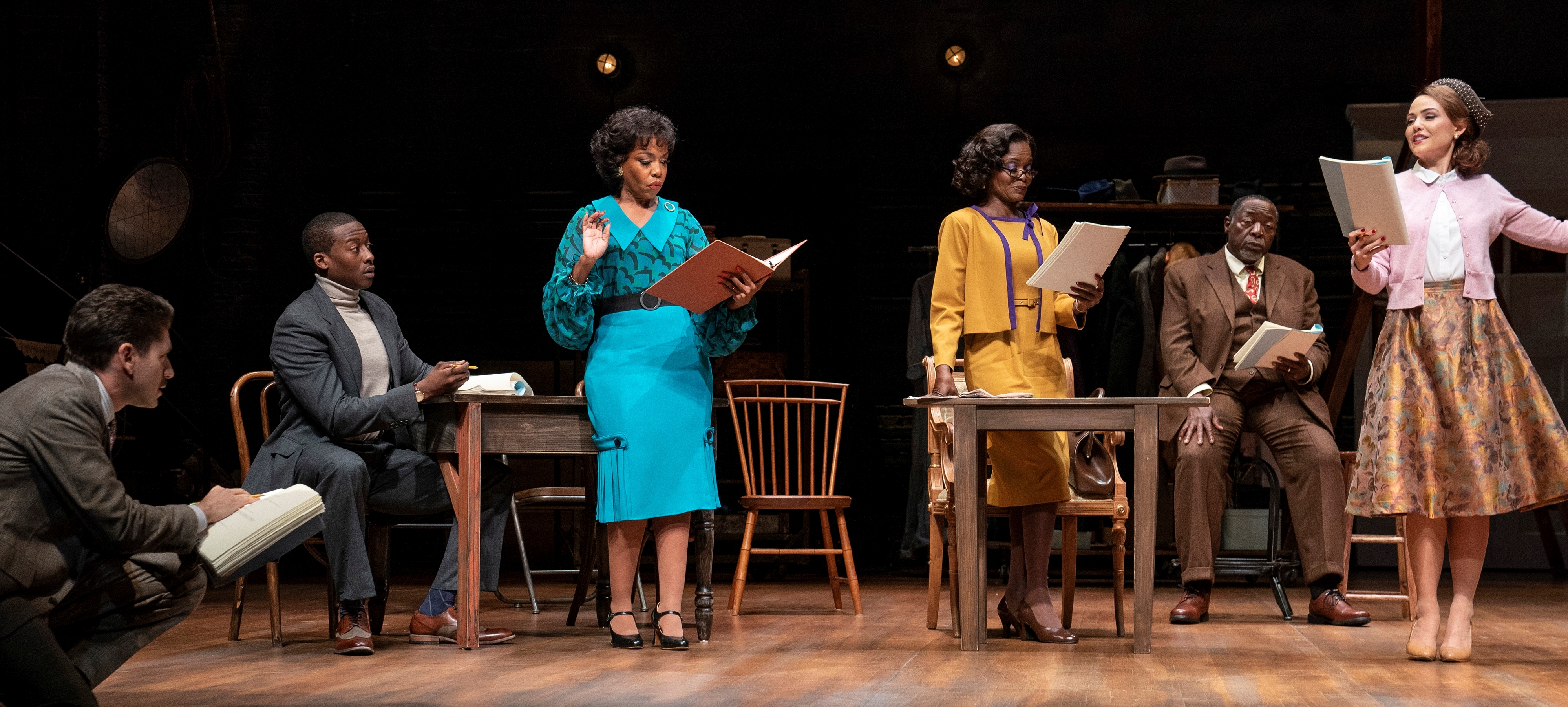
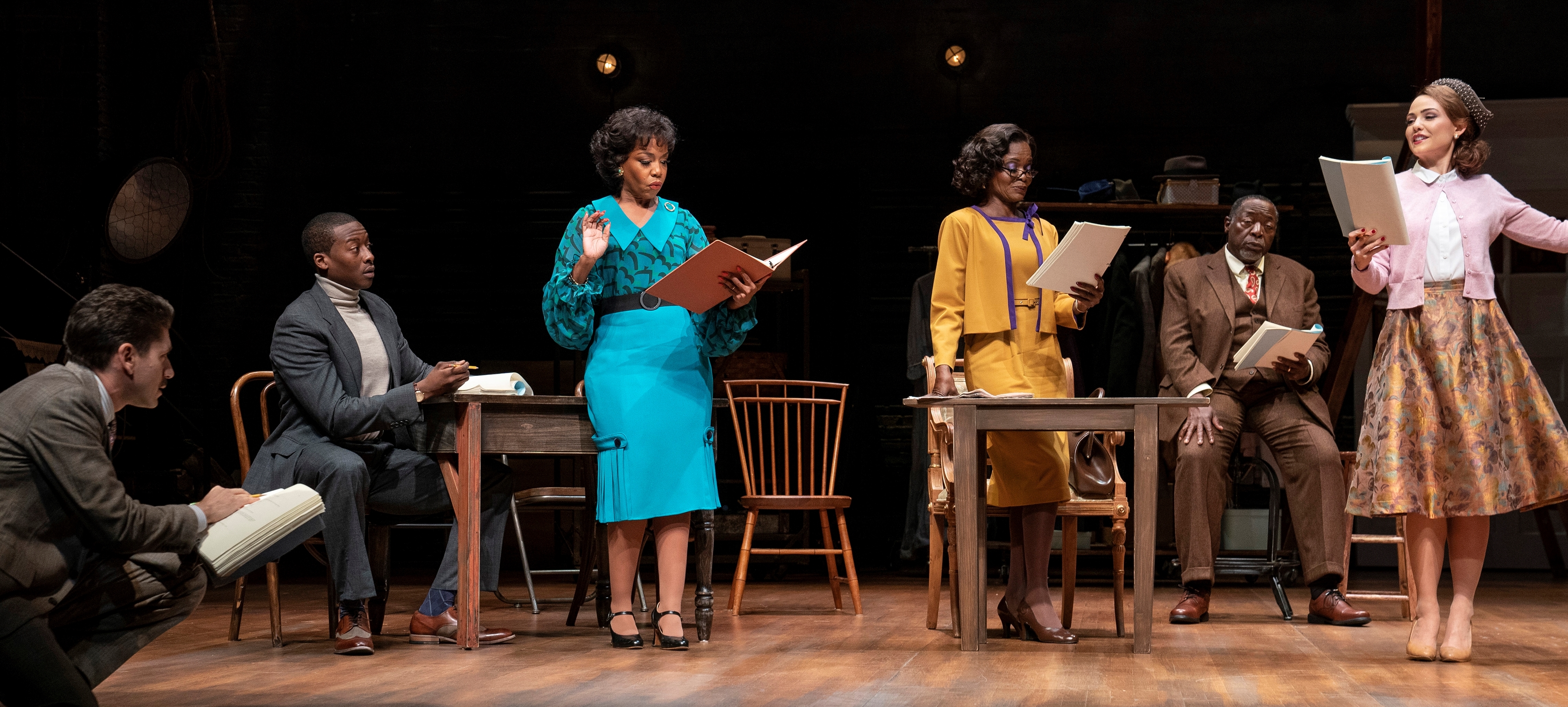
This course explores costume design as a powerful visual communication tool and cohesive component of a theatrical production. Through a series of projects we’ll follow a design process that combines visual storytelling elements, textual analysis, and multidisciplinary research. We’ll study the history of fashion, styles of visual presentation, textiles and materials, and you’ll illustrate your designs, culminating in a presentation of your work.
The general course description can be found in the syllabus, located here on moodle or in print from me.
This online supplement to the course is designed to give students the ability to submit work in one place, see after-hours (i.e. not during class) announcements regarding course work or scheduling, and engage in online discussion of course topics or material.