- Teacher: Diana Cermak
Category: Chemistry
Kant’s work marks a decisive turn for modern thinking. In this course, we trace different ways of responding to two basic Kantian insights: that freedom depends on acknowledging our ability to give ourselves laws and that contemporary reality is best analyzed in terms of forms of experience and the conditions that make particular forms of experience possible. We trace these responses in the works of Wollstonecraft, Hegel, Marx, Douglass, DuBois, Emerson, Nietzsche, and others. Our emphasis in reading these texts is on identifying ways in which these thinkers offer tools for helping us to better understand contemporary forms of experience.
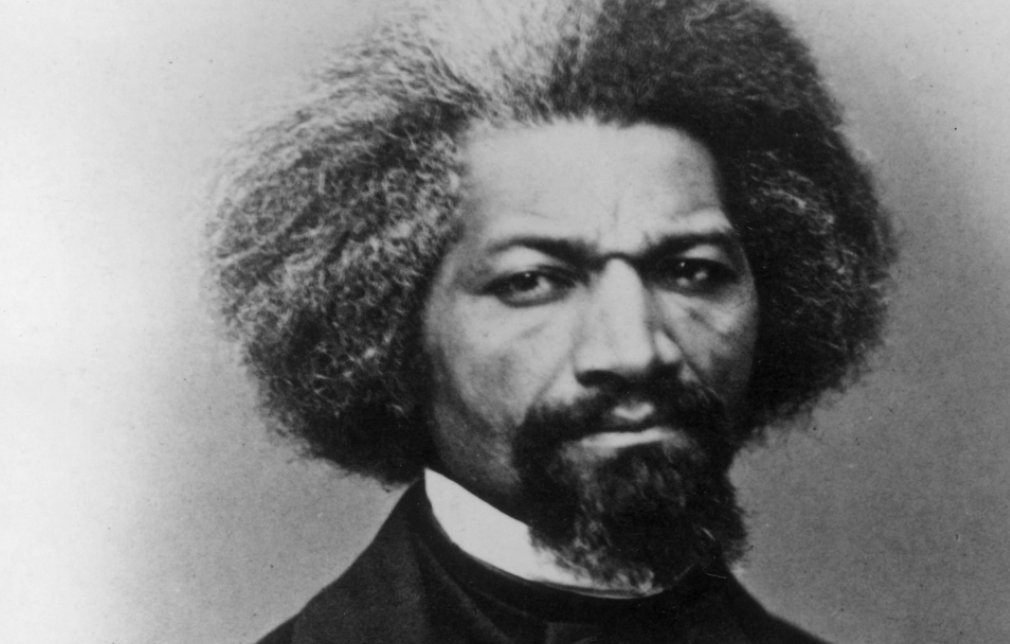
Kant’s work marks a decisive turn for modern thinking. In this course, we trace different ways of responding to two basic Kantian insights: that freedom depends on acknowledging our ability to give ourselves laws and that contemporary reality is best analyzed in terms of forms of experience and the conditions that make particular forms of experience possible. We trace these responses in the works of Wollstonecraft, Hegel, Marx, Douglass, DuBois, Emerson, Nietzsche, and others. Our emphasis in reading these texts is on identifying ways in which these thinkers offer tools for helping us to better understand contemporary forms of experience.

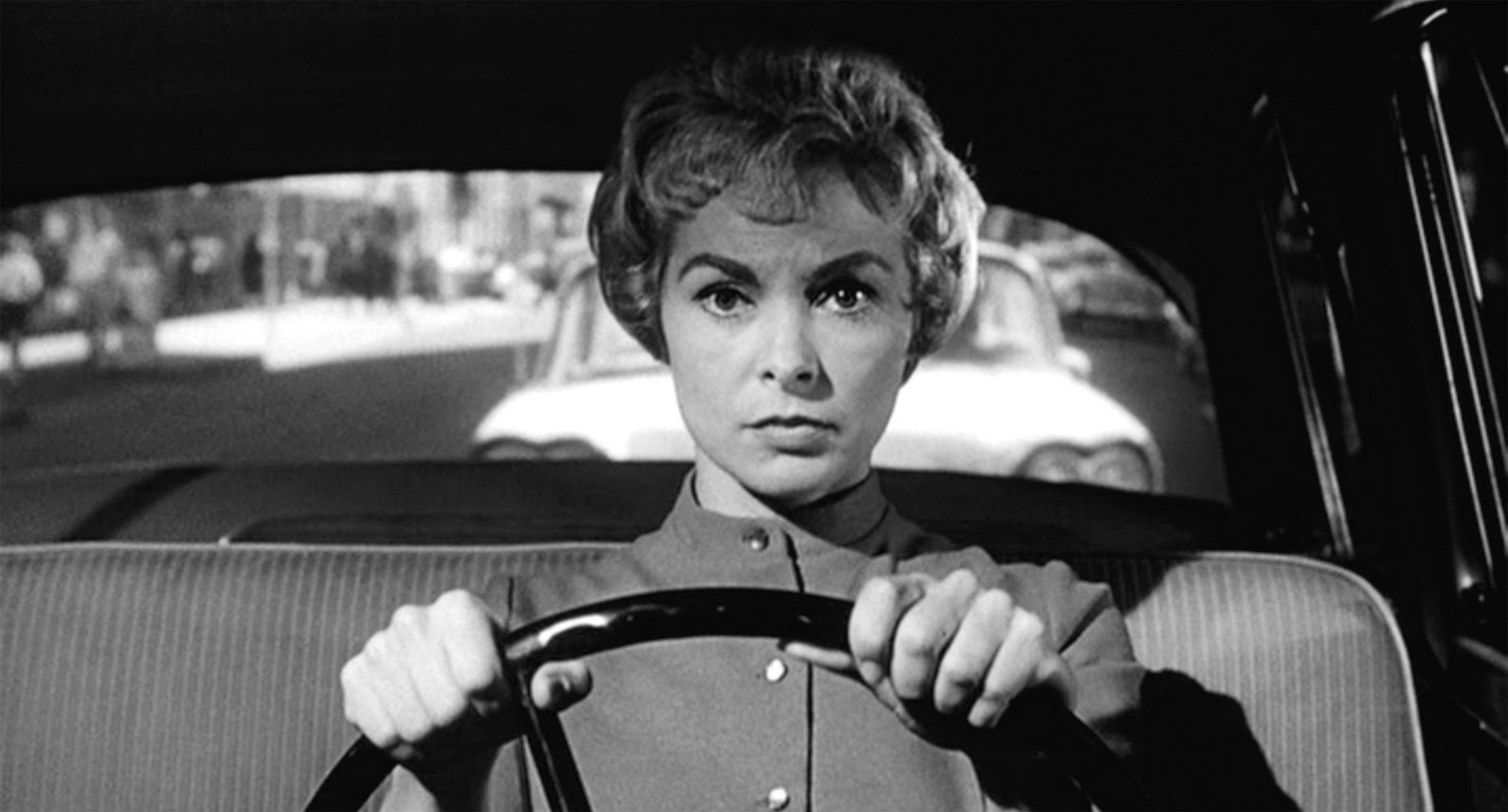
In this course we explore film as a capacity to depict action. In so doing we develop terms by which we can recognize the emergence of film as an event in the history of thought and perception. Our method will be two-fold: we will look at examples from the history of American film to identify certain historical dispositions—early actualities, movies, animation, gangster movies, and so on. Equally we will bring out one particular aspect of film: its power for physiognomic revelation: that is to say, its capacity to reveal human character through the depiction of bodies in action. In so doing we will contrast film with another mode of psychological understanding: psychoanalysis. We will read texts by Plato, Diderot, Lessing, Baudelaire, Freud, Bazin, Cavell, Warshow, Bergson, and others. We will watch movies by the Lumière brothers, Griffith, Keaton, Hawks, Capra, Astaire, Sturges, Lubitsch, Hitchcock, Scorsese, Tarantino, Riley, Haynes, Burnett, and others.