- Teacher: Scott Weiss
Category: Classics
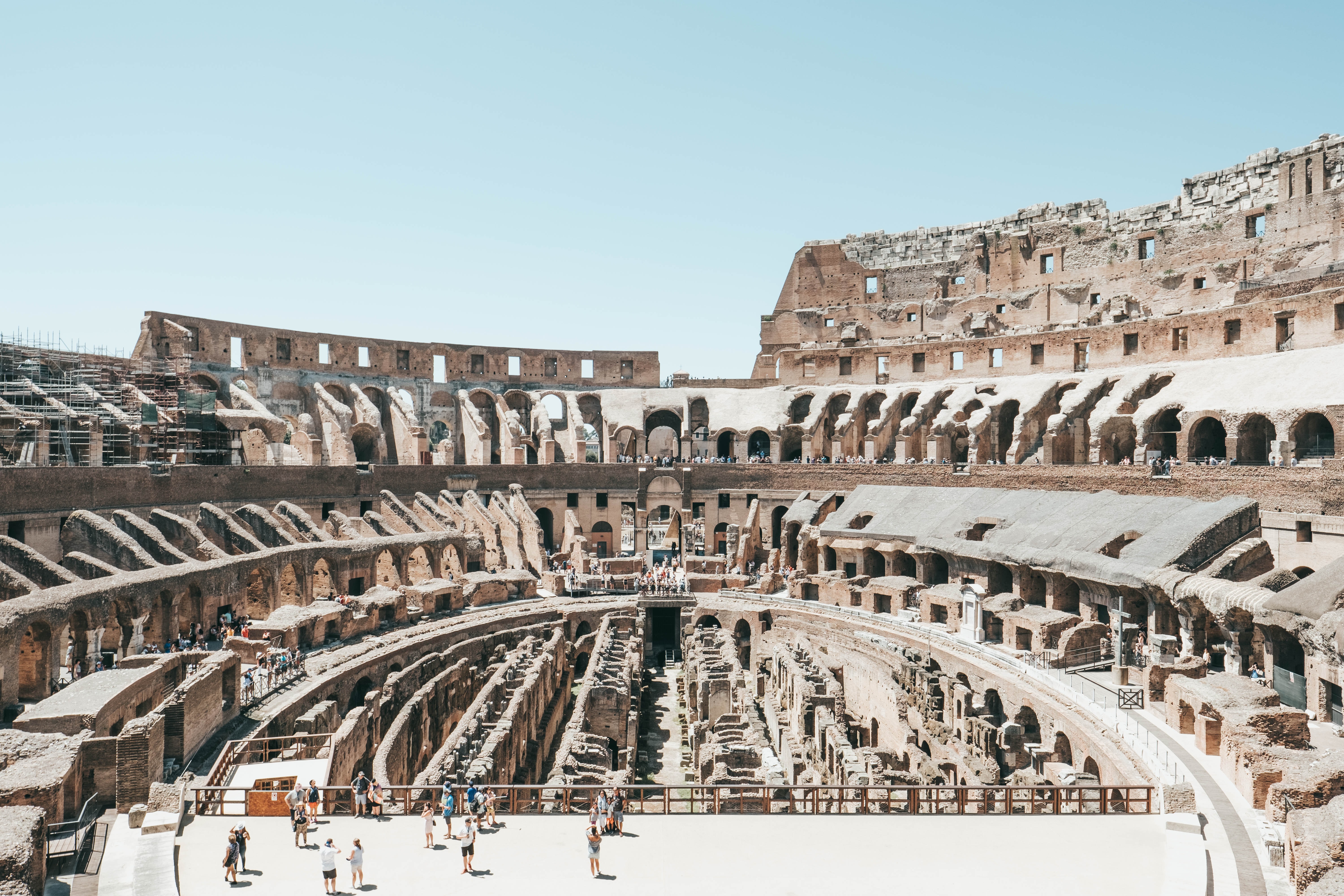
Rome grew from a third-rate market town on the Tiber River to the center of a Mediterranean-spanning empire. How did this happen? And why should we care? This class seeks to answer these questions and others as we examine the political history of the ancient city, its institutions, and cultural achievements.

Contemporary life is largely structured by shared practices of self-government. When we make decisions as consumers, as employees, as citizens, we decide what is best for ourselves and act in ways that businesses and other social institutions can coordinate. But what are the terms by which contemporary self-government occurs? In this course, we examine the modern history of reasoning about self-government in order to trace the emergence of contemporary neoliberal practices of self-government out of earlier liberal practices. We will read texts by Adam Smith, Michel Foucault, Frederick Douglass, Mary Wollstonecraft, Wendy Brown, Friedrich Hayek, Gary Becker, and others in order to grasp the development of techniques of self-government over the course of the 19th and 20th centuries.