- Teacher: Eric Lemmon
Category: Music

Songwriting Workshop is a hands-on class in which we will develop tools to both analyze popular songs and create our own. Throughout the course of the class, we will learn about writing melodies, lyrics, chord progressions, and arrangements - all of this culminating in the writing of an original song and the production of a demo recording.


ENG 204F-1, Spectrality: Art, Culture and Environment
Course Description:
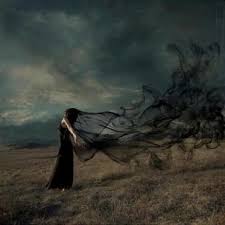
In this course we’ll explore the power and presence of the ghost in a variety of cultural forms. While the ghost has long been a useful concept or character in ancient storytelling genres such as myth, folklore, and the epic tale, we’ll begin with the classic ghost story made popular in the 19th and early 20th century in English and American literature, focusing on Fin de Siècle tales by M.R. James, Henry James and Edith Wharton and the spectral tension between established gothic tropes and the advent of modernity. Post WWII ghosts and haunted houses as represented in the mid 20th century ghost stories of Elizabeth Bowen and Shirley Jackson, and depicted in the 2001 film The Others, will expand our view of spectral unrest, framing the spectral encounter as inextricably linked with traumatic memory. Relatedly, we’ll look at “whiteness” as a specter haunting Helen Oyeyemi’s 21st century multicultural Britain in her novel White is for Witching, and at the “ghost generation” of migrant spirts haunting Mati Diop’s Afro-surrealist film Atlantics. Finally, we’ll familiarize ourselves with Spectrality as a critical theory, a lens through which we might view the uncanny world in which we are living. To that end, and in consideration of Mark Fisher’s post Freudian definition of the uncanny (The Weird and the Eerie), we’ll explore the neo Lovecraftian fiction of China Mieville and the future-as-specter in Daphne Du Maurier’s “Don’t Look Now.” Ending the term on a light note, we’ll examine ghostly landscapes altered by nuclear holocaust and anthropogenic climate change. This course will follow a discussion rather than a lecture format.

American Gothic is the darker side of American Romanticism. Although the Gothic is thoroughly romantically preoccupied with the self, the human mind and interior mental processes, its vision of us is altogether bleaker, hence the Gothic's usefully apt synonym 'dark romanticism.' The critic Leslie Fiedler once complained that American fiction in the 19th- century became 'bewilderingly and embarrassingly, a gothic fiction, non-realistic, sadist and melodramatic--a literature of darkness and the grotesque in a land of light and affirmation." Notably, while the Transcendentalists celebrated human perfection, the Dark Romantics explored sin, self-destruction, and the psychological effects of guilt and madness. While the Transcendentalists celebrated the natural world, for Dark Romantics nature was dark, sinister and often unknowable. While the Transcendentalists expressed Emersonian faith in the ideal and in a cosmic oversoul, American Gothic writers left the reader only with contradictions and paradoxes, with moral and emotional ambiguity. For the American Gothic writer, America's Puritan heritage was a lingering consciousness of the coexistence of good and evil, a prevailing sense of Calvinist guilt, and the remnants of apocalyptic terror. In many regards also, it might be argued that the apparently un-American elements of Gothic fiction actually have their origin in U.S. history, in particular with an unconscious of the "American dream" that was ever fearful of the undisciplined rule of majority, mob rule democracy and eruptions of social disorder. Notably, American Gothic in the 19th-century is also quite distinct from the British Gothic tradition. While both explore the uncanny, and the nature of fear and terror, American Gothic is more philosophical in nature, with an emphasis on mystery, symbol and allegory, and often with, as we shall now see, an uncanny exploration of questions of gender and sexuality.
This course introduces the foundations of International Relations – conceptual and theoretical and proceeds to explore several issues in different realms of international politics. It tries to incorporate the scope and breadth of the literature that has defined the study of international relations. It includes the evolution of international politics with an emphasis on the Cold War and the post-Cold War era. It identifies and assesses the theoretical paradigms – Realism, Liberalism, and Constructivism in the light of several substantive issues. Issues like war (conventional and non-conventional), human rights, international political economy, climate change, foreign policy, and globalization, among others, help capture the essence of international relations. Analyses of several case studies related to these issues also feature in this course.

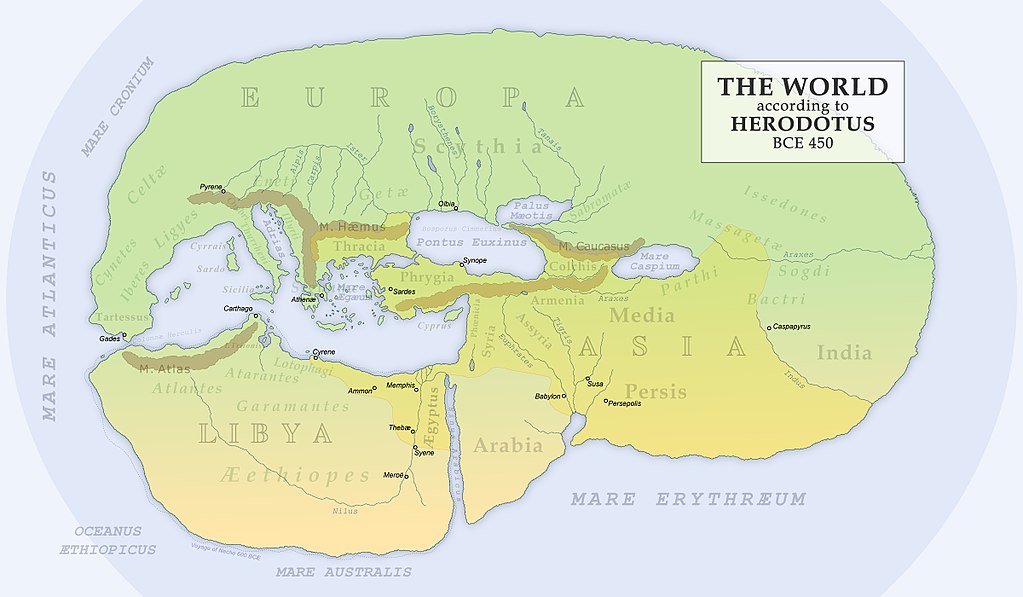
An examination of the ancient Mediterranean from prehistory to ~500CE.
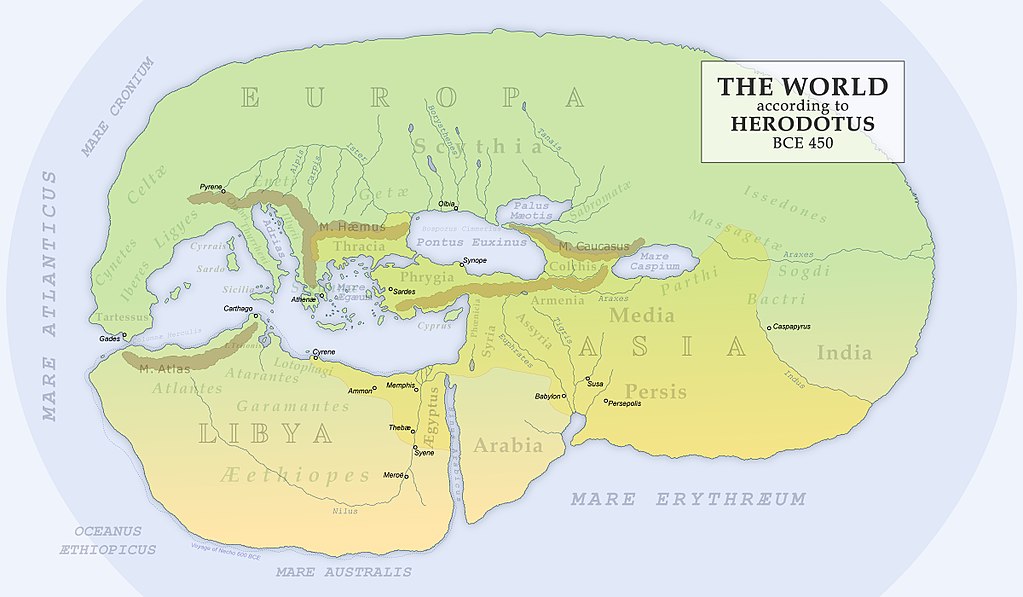
An examination of the Ancient Mediterranean from prehistory to ~500 CE.