- Teacher: Lexie Vernon
Category: Sports Studies
A comprehensive analysis of fairy tales as historical relics and dynamic cross-cultural products. To understand the distinctive nature of the fairy tale as both uniquely regional and (for the most part) universally recognizable, we’ll start with a question: What do we mean when we call something “a fairy tale”? (Also, what is the difference between a folk tale and a literary fairy tale? Who wrote the Arabian Nights? What about Grimm’s Fairy Tales? Which came first, Yeh-hsien or Cinderella? Why do we remember the gingerbread house from Hansel and Gretel but not the duck?) An additional consideration of fairy tale aesthetics, tropes, motifs, figures and structural classifications or tale types will guide our inquiry into the fairy tale form. Finally, in order to understand the fairy tale as a narrative underpinning or intertext for more complex forms of storytelling, we’ll first study the “classic” fairy tales (from Little Red Riding Hood to Blue Beard) and their variations, before turning our attention to the application of fairy tale elements in film and literature.
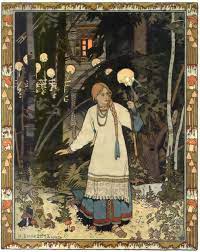
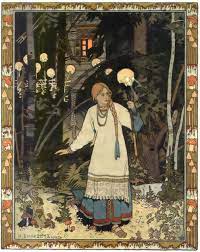
A comprehensive analysis of fairy tales as historical relics and dynamic cross-cultural products. To understand the distinctive nature of the fairy tale as both uniquely regional and (for the most part) universally recognizable, we’ll start with a question: What do we mean when we call something a “fairy tale”? (Also, what is the difference between an oral folk tale and a literary fairy tale? Who wrote the Arabian Nights? What about Grimm’s Fairy Tales? Which came first, Yeh-hsien or Cinderella? Why do we remember the gingerbread house from Hansel and Gretel but not the duck?) Beginning with the “classics” (from Little Red Riding Hood to Blue Beard) and their cultural variants, we’ll explore the “irresistible” appeal of the fairy tale in ancient and modern societies, as well as the elements of tale type, motif and aesthetic form within popular imagination and scholarly taxonomies of folk and fairy tales. Finally, we’ll consider the creative and cultural implications of adapting or revising the simple fairy tale into more complex forms of storytelling through literature, film and visual art.
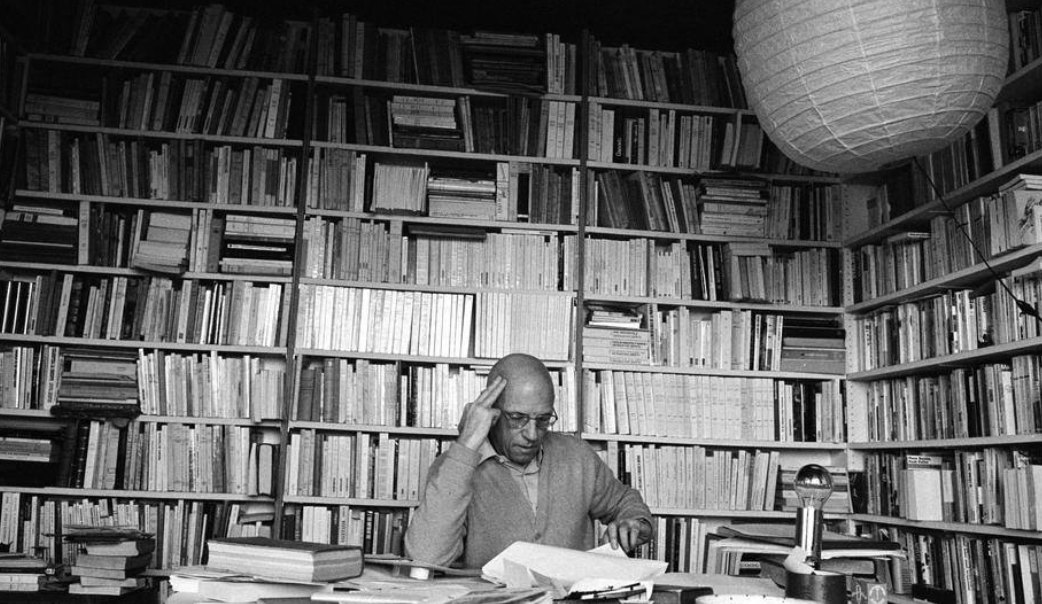
Michel Foucault’s work analyzes the functioning of power as a field of relations within a set of social practices involving, characteristically, sexuality, policing, punishment, race, and mental illness, among other things. He is particularly interested to describe the development of these practices in order to make clear how their domains were created as the subjects of scientific discourse and in terms of which truth claims could be made. In this course, we track the development of Foucault’s theorizing the power relations that structure social practices and the truth claims that can be made about their domains. We end by considering Foucault’s late turn to ethics and the philosophical practices of the ancient world in light of his interest in the complex relations between power and truth.
Our technological prowess has opened vistas for humanity to dream bigger, or perhaps it has simply revealed the cosmically (comically?) short timeframe of human existence and hence led us to imagine new ways for that existence to end. Extinction or evolution, one way or the other humanity is poised for transition. Will climate change force us to colonize other planets? Will we merge with machines by adding cyborg implants or, more radically, uploading our minds into robotic bodies?
The fear of human extinction and the promise of radical salvation through technology intertwine in a religious worldview unique to the contemporary world. We will explore this worldview and discuss the political and social implications of transferring our religious impulses and hope of salvation into technological forecasting.
