- Teacher: Zac Cirone
Category: Music
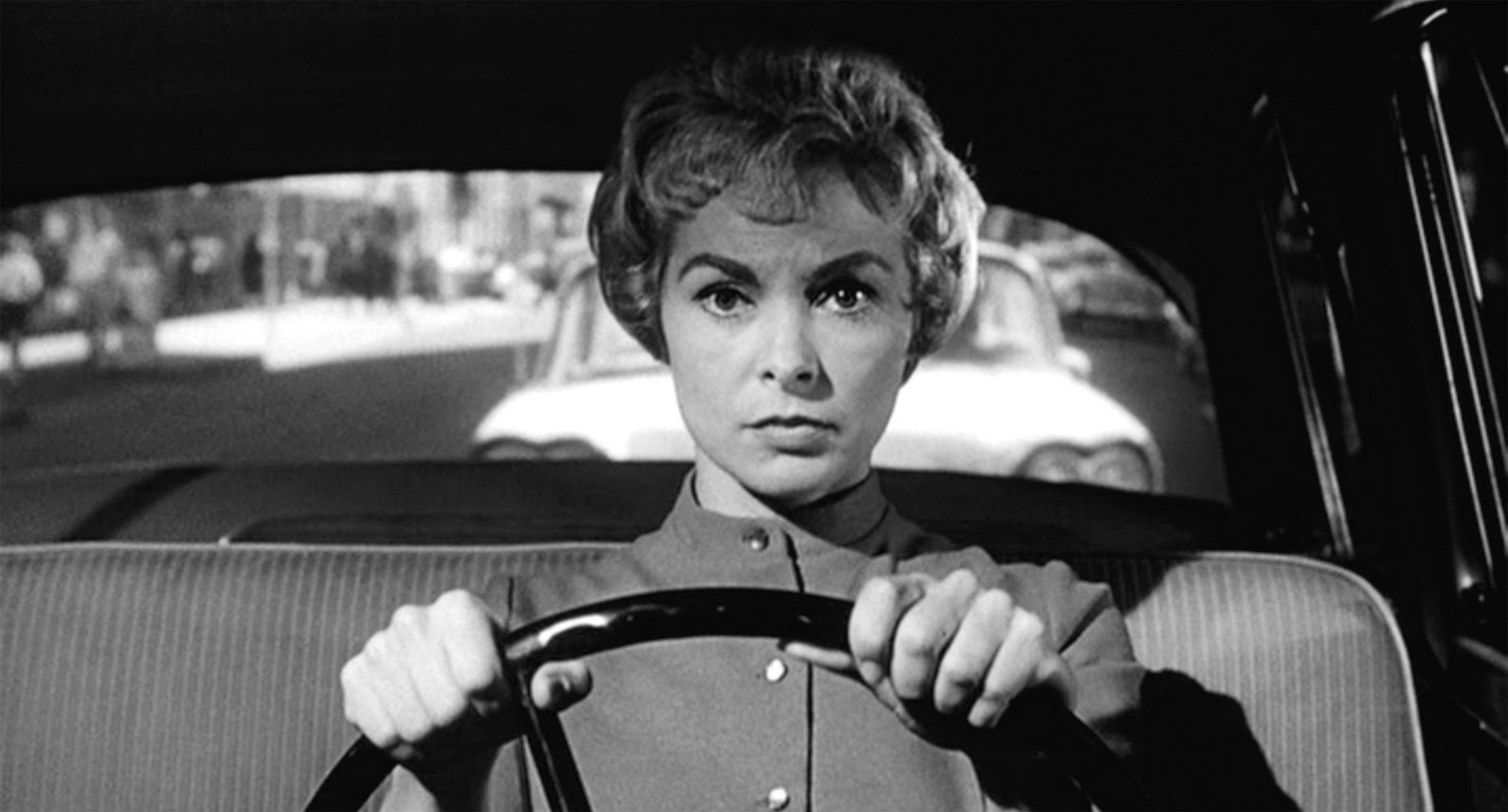
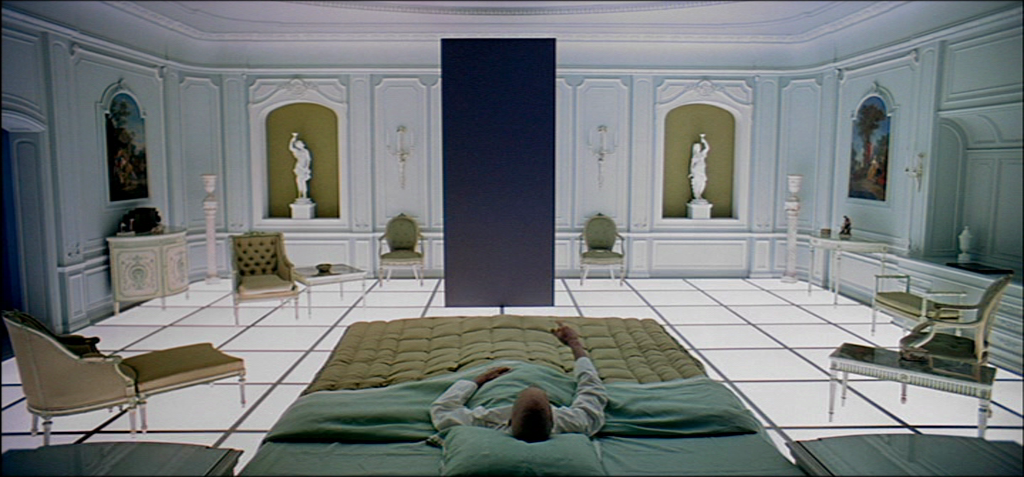
In this course we explore film as a capacity to depict action. In so doing we develop terms by which we can recognize the emergence of film as an event in the history of thought and perception. Our method will be two-fold: we will look at examples from the history of American film to identify certain historical dispositions—early actualities, movies, animation, gangster movies, and so on. Equally we will bring out one particular aspect of film: its power for physiognomic revelation: that is to say, its capacity to reveal human character through the depiction of bodies in action. In so doing we will contrast film with another mode of psychological understanding: psychoanalysis. We will read texts by Plato, Diderot, Lessing, Baudelaire, Freud, Bazin, Cavell, Warshow, Bergson, and others. We will watch movies by the Lumière brothers, Griffith, Keaton, Hawks, Capra, Astaire, Sturges, Lubitsch, Hitchcock, Scorsese, Tarantino, Riley, Haynes, Burnett, and others.
If you're a Knox student hoping to pursue a career in medicine (MD or DO), MD/PhD, nursing, pharmacy, occupational therapy, physical therapy, veterinary therapy, dentistry, or public health, check out the resources within this classroom. Videos, powerpoint slides, workshop sessions, website links, resources to explore and learn how to get opportunities, and more!

Ecology is the scientific study of the interactions that determine the distribution and abundance of organisms. During this course we will gain an understanding of many kinds of interactions, both biotic and abiotic, that regulate ecological population size and community structure. Ecological communities are exceedingly complex and we will also try to understand what makes those communities so complex. We will emphasize the importance of place and past history as factors that influence current ecology.



In this course, we examine some of the ethical challenges presented by contemporary business and describe a particular form of business practice, central to our thinking about ethics and business, one that we can generally identify as accounting. In doing so, we will first look at several theorists concerned to describe the structure of business, including the relations between labor and capital. What relations do we have to capital? What relations do we have to each other through exchange? Why do these relations call for accounting? Next, we will turn our attention to a number of texts from the history of ethics in order to trace different ways of thinking about relations of the self to self and others. In addition, we will examine the ways in which these ethical views differ as ways of accounting for one’s self and one’s productive activities. Finally, we will turn to a number of case studies from the history of business in order to explore the importance of various forms of accounting. Why are such accountings necessary? To whom are we accountable and why?

In this course, we examine some of the ethical challenges presented by business and describe a particular form of business practice, central to our thinking about ethics and business, one that we can generally identify as accounting. In doing so, we will first look at several theorists concerned to describe the structure of business, including the relations between labor and capital. What relations do we have to capital? What relations do we have to each other through exchange? Why do these relations call for accounting? Next, we will turn our attention to a number of texts from the history of ethics in order to trace different ways of thinking about relations of the self to self and others. In addition, we will examine the ways in which these ethical views differ as ways of accounting for one’s self and one’s productive activities. Finally, we will turn to a number of case studies from the history of business in order to explore the importance of various forms of accounting. Why are such accountings necessary? To whom are we accountable and why?