- Teacher: Tim Foster
Category: Spanish
STAT 312: Data Mining and Statistical Programming
A rigorous exploration of statistical methods designed to glean information from a data set. Techniques include categorical analysis, clustering, trees and forests, dimensionality reduction, and outlier detection. Further topics include graphical and statistical methods for exploring data, as well as evaluating statistical methods. The Python programming language will be used.
Prerequisites: STAT 200 (plus another STAT course), CS 142, MATH 145 or 152, and MATH 185.
Cross-listed as CS 312

In this course, we will examine relations between the concepts of life and death by surveying a variety of ancient and modern philosophical accounts of them. We begin the course by exploring ancient philosophical practices designed to cultivate ways of thinking about death. We will be especially interested in how these specific practices of thinking about death helped determine various philosophical ways of life, distinct cultivated forms of thinking and acting. In doing so, we follow Pierre Hadot’s account of ancient philosophical practices in What Is Ancient Philosophy? and look at selected texts by Plato, Epicurus, Lucretius, Epictetus, Marcus Aurelius, among others. In the second half of the course, reading texts by Michel Foucault, Philippa Foot, Georg Simmel, and Michael Thompson, we investigate contemporary philosophical problems surrounding the concept of life. Here we will take a number of approaches: we will mark out certain historical questions about the cultivation of forms of life; we will discuss euthanasia; we will compare life to adventure. Finally, we will look at the treatment of forms of life, relations between ways of speaking and ways of doing, in particular the role of picturing in our understanding of speaking and doing, and death in Ludwig Wittgenstein’s Philosophical Investigations.
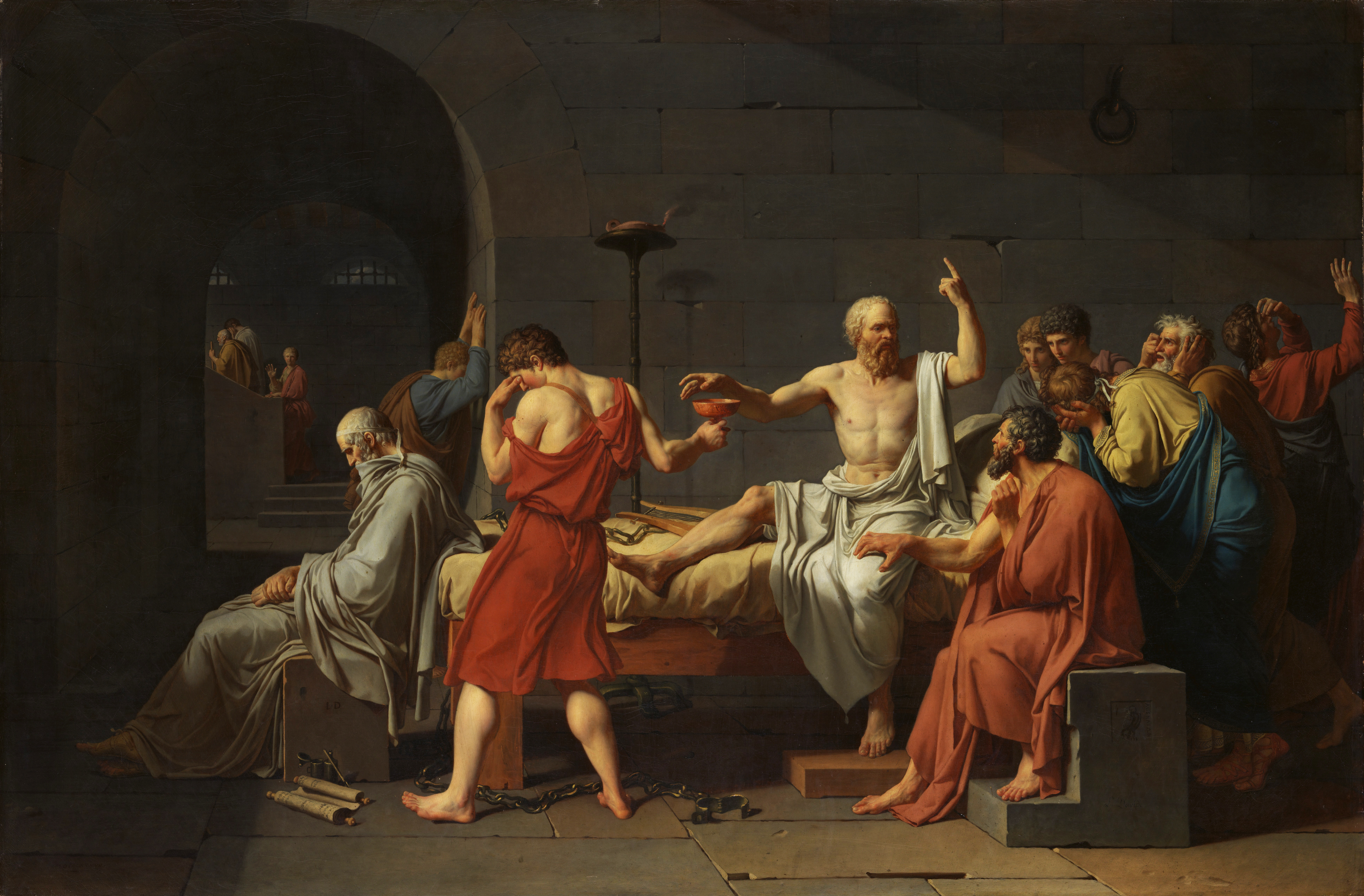
In this course, we will examine relations between the concepts of life and death by surveying a variety of ancient and modern philosophical accounts of them. We begin the course by exploring ancient philosophical practices designed to cultivate ways of thinking about death. We will be especially interested in how these specific practices of thinking about death helped determine various philosophical ways of life, distinct cultivated forms of thinking and acting. In doing so, we follow Pierre Hadot’s account of ancient philosophical practices in What Is Ancient Philosophy? and look at selected texts by Plato, Epicurus, Lucretius, Epictetus, Marcus Aurelius, among others. In the second half of the course, reading texts by Michel Foucault, Philippa Foot, Georg Simmel, and Michael Thompson, we investigate contemporary philosophical problems surrounding the concept of life. Here we will take a number of approaches: we will mark out certain historical questions about the cultivation of forms of life; we will discuss euthanasia; we will compare life to adventure. Finally, we will look at the treatment of forms of life, relations between ways of speaking and ways of doing, in particular the role of picturing in our understanding of speaking and doing, and death in Ludwig Wittgenstein’s Philosophical Investigations.
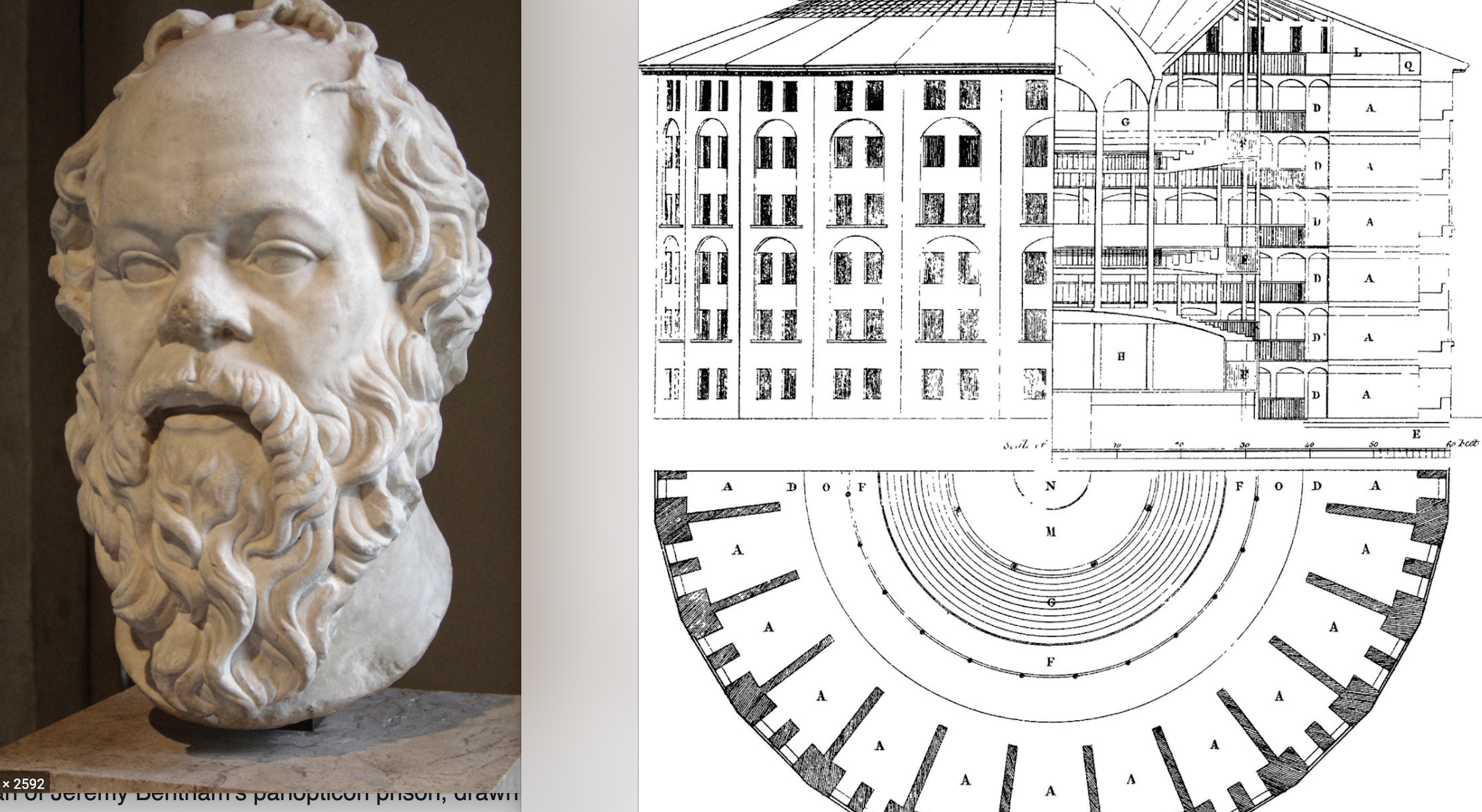
This course will review models, etiology, assessment, and intervention for various developmental and acquired disabilities. This course is organized through a lifespan developmental approach beginning with etiology diagnosis and moving through early intervention, special education, dating and sexuality, vocation, community involvement, and healthcare. Specific disabilities will be examined through a biopsychosocial lens. Autism spectrum disorder, AD/HD, intellectual disability, learning disabilities, traumatic brain injury, spinal cord injury, acquired blindness, and related conditions will be covered.
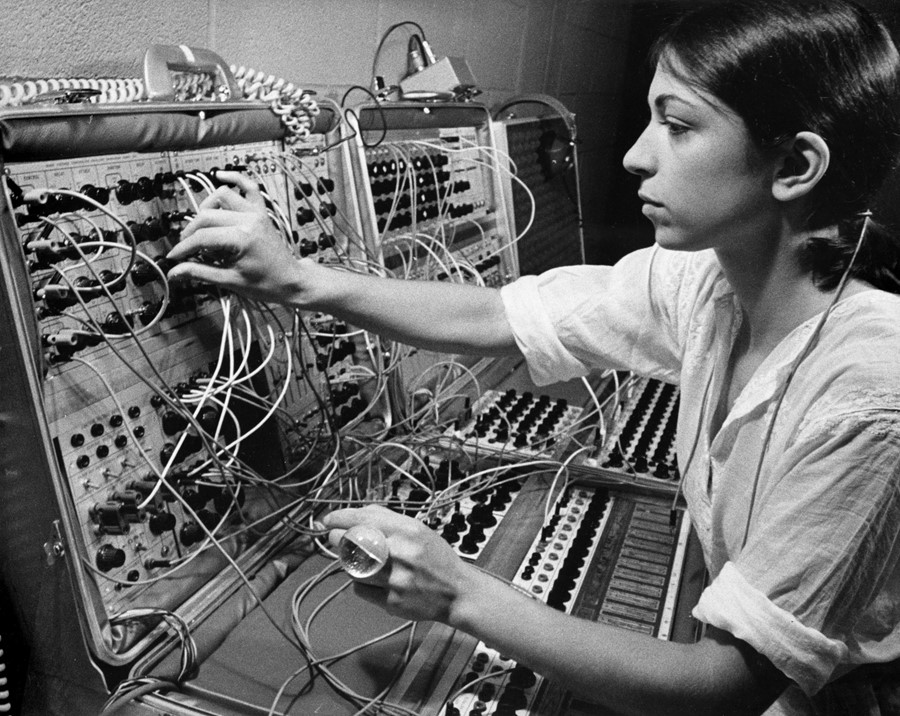
The transformation of sound into digital data has profoundly affected the creation, production and distribution of music. With the vast majority of music now mediated by some form of digitization, it has shaped even our most basic modes of listening. This course grapples with the implications of this technology, its history, and its broad range of uses and tools. In doing so, students will utilize the Knox Electronic Music Studio to explore the foundational techniques of audio production, synthesis, sampling, podcasting, film scoring, and interactive software development.